Sludge Analysis

Sludge Characterization, Testing & Reporting Services

Environ Project & Consultancy Pvt. Ltd. provides professional Sludge Analysis Services for industries, Effluent Treatment Plants (ETP), Sewage Treatment Plants (STP), and wastewater treatment facilities. Sludge analysis helps determine the physical and chemical characteristics of sludge generated from industrial and wastewater treatment processes. It supports effective sludge treatment, handling, disposal, and environmental management.

Our Sludge Testing and Analysis covers relevant parameters such as pH, moisture content, total solids, volatile solids, organic matter, ash content, BOD, COD, nutrients, oil & grease, and applicable heavy metals. The testing parameters are selected based on the source and nature of the sludge, industrial process, treatment system, and specific environmental monitoring requirements.

Regular Industrial Sludge Analysis helps identify contaminants, evaluate sludge characteristics, and support appropriate management or disposal practices. Environ follows applicable testing procedures and recognized environmental standards to provide reliable analytical data for ETP sludge, STP sludge, and industrial sludge. Our services help industries maintain environmental records and meet applicable monitoring and compliance requirements.

Sludge Analysis Services

Sludge analysis is an important part of environmental monitoring and waste management. Sludge generated from Effluent Treatment Plants (ETP), Sewage Treatment Plants (STP), industrial processes, and wastewater treatment systems may contain organic matter, inorganic compounds, heavy metals, and other substances. Environ Project & Consultancy Pvt. Ltd. provides professional Sludge Analysis Services to evaluate sludge characteristics and support proper treatment, handling, disposal, and environmental management.

What is Sludge Analysis?

Sludge analysis is the systematic sampling and laboratory testing of sludge generated during industrial and wastewater treatment processes. The analysis helps determine the physical and chemical characteristics of sludge and provides useful information for selecting appropriate treatment, disposal, reuse, or management methods.

The testing requirements depend on the source of sludge, industrial process, treatment system, and intended method of handling or disposal.

Importance of Sludge Analysis

Regular sludge analysis helps industries understand the composition and characteristics of generated sludge. It supports effective sludge management and helps identify potentially harmful substances that may require controlled handling or disposal.

Sludge analysis helps with:

  • Characterizing sludge composition
  • Evaluating sludge treatment requirements
  • Identifying heavy metals and other contaminants
  • Supporting safe sludge handling and disposal
  • Monitoring ETP and STP sludge quality
  • Evaluating potential reuse or recovery options
  • Maintaining environmental monitoring records
  • Supporting applicable regulatory and compliance requirements

Sludge Analysis Parameters

Depending on the type and source of sludge, testing may include parameters such as pH, moisture content, total solids, volatile solids, fixed solids, organic matter, ash content, Chemical Oxygen Demand (COD), Biochemical Oxygen Demand (BOD), Total Kjeldahl Nitrogen (TKN), phosphorus, chlorides, sulphates, oil & grease, and heavy metals.

The applicable parameters are selected according to the nature of the sludge and the specific testing requirement.

Industrial Sludge Analysis

Industrial sludge characteristics can vary significantly depending on the manufacturing process, raw materials, chemicals, and treatment methods used by an industry. Industrial sludge may contain different concentrations of organic compounds, inorganic substances, and heavy metals.

Environ provides Industrial Sludge Testing and Analysis Services to help industries evaluate sludge characteristics and develop suitable approaches for its treatment, handling, disposal, or potential recovery.

Heavy Metal Analysis in Sludge

Heavy metal testing is an important component of sludge analysis when the sludge originates from industrial processes that may introduce metallic contaminants. Depending on the source and testing requirements, analysis may include metals such as Lead, Cadmium, Chromium, Copper, Nickel, Zinc, Iron, and other applicable heavy metals.

Testing helps determine the concentration of relevant metals and supports appropriate sludge management decisions.

Sludge Sampling & Testing

Representative sludge sampling is essential for obtaining meaningful analytical results. Samples are collected from relevant sludge generation, treatment, storage, or disposal locations based on the testing requirement.

Environ supports systematic sludge sampling and laboratory analysis using applicable testing methods and recognized environmental standards.
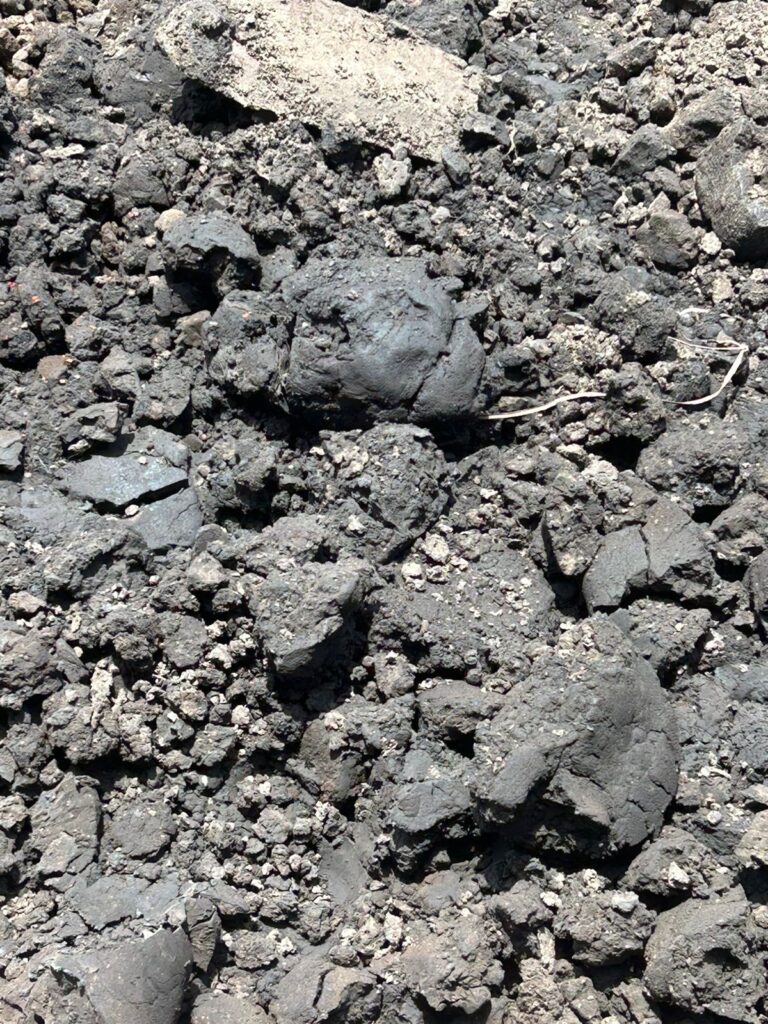

Need Sludge Analysis Services?

Environ Project & Consultancy Pvt. Ltd. provides professional Sludge Analysis, Industrial Sludge Testing, ETP Sludge Analysis, and STP Sludge Analysis Services for industries and organizations. Our services help evaluate sludge characteristics, identify relevant contaminants, and support effective environmental monitoring and waste management requirements.

How to Contact:

Contact Environ to discuss your sludge testing requirements and obtain suitable analysis based on your industry, treatment process, and environmental monitoring needs.

GET IN TOUCH

environ_project___Consultancy_Pvt._Ltd._logo

Currently, we are not open for any recruitment or internship opportunities. Whenever we have any openings in the future, we will update the information on this website. Please keep checking our website for the latest updates.